
There’s something ethereal and emotionally stirring about a well-executed blur in photography. It’s not always about crystal-clear sharpness—sometimes, the most powerful image is the one that speaks softly, with edges smeared like brushstrokes on a canvas. Especially in the context of lighting, blur becomes an artistic tool that can turn an ordinary photo into a poem written with photons and shadow.
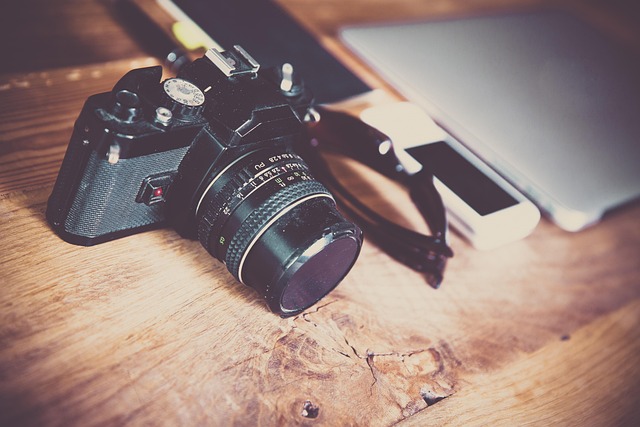
The skeptics might ask, “Why would I want my image to be out of focus?” But those immersed in photography understand the nuance. Blur isn’t just a technical artifact—it’s a deliberate decision that reshapes a viewer’s emotional response. Whether you’re shooting with a DSLR or a mirrorless camera, mastering the blur effect begins with understanding your light source and how it interacts with your lens and subject.
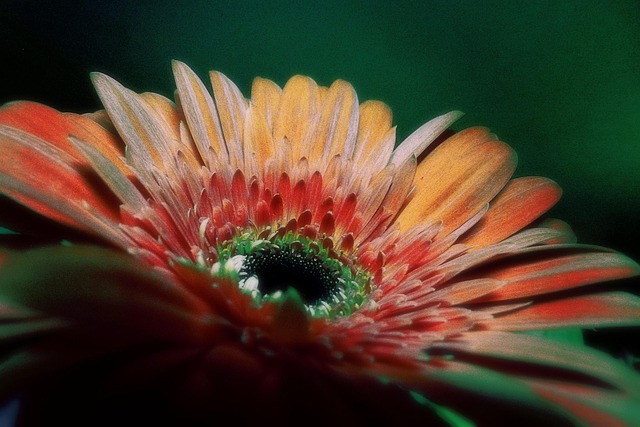
Every camera lens is governed by basic optics: aperture, focal length, and distance. By manipulating these elements, photographers can control depth of field to isolate subjects or melt the background into dreamlike swirls. Lighting further transforms the scene. A bright backlight paired with shallow depth of field can create a halo-like glow that whispers instead of shouts. Blur, when used with intentional lighting, can evoke nostalgia, intimacy, and even longing.
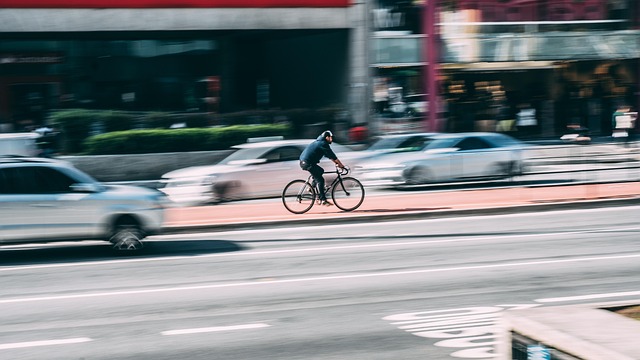
Think about the portrait of a loved one taken at golden hour, with sunlight sliding through strands of hair, the background fading into a warm, soothing haze. The emotion stems not from technical sharpness—but from the mood, the feeling that the blur and light together create. Similarly, a bustling city scene taken with a slow shutter speed turns rush hour chaos into pulsating lines of light—an orchestra of color in motion.
Blur also invites the viewer to linger, to fill in the space with imagination. In documentary and street photography, the technique can imply motion or anonymity, allowing subjects to retain their mystery. As the softness spreads through a photo, lighting plays a pivotal role: diffused light can amplify the romance of bokeh, while contrasting light can add drama to selective focus.
Many photographers practice this art through experimentation. Start by adjusting your aperture to f/1.8 or f/2.8, let in more light, and play with distance to see how the focus shifts. Practice during different times of day to observe how natural light interacts with your settings. You’ll begin to understand how blur becomes not merely a technical result, but a language all its own.