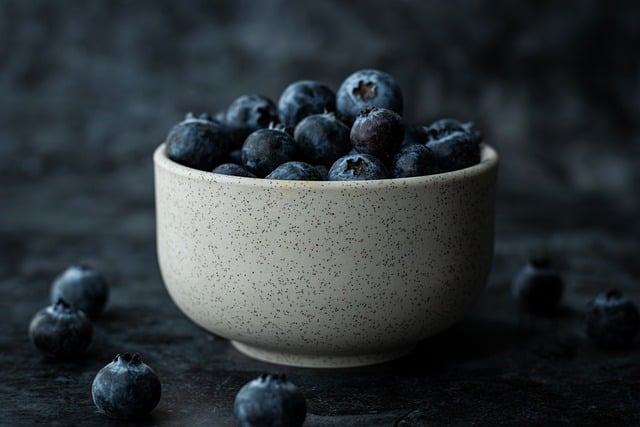

In the vibrant world of food photography, lighting is not just an accessory—it’s the star of the show. Whether you’re capturing the warm crust of a sourdough loaf or the juicy glisten of a ripe strawberry, the way your scene is lit can turn an average photo into a feast for the eyes. Lighting sets the tone, emphasizes texture, and defines the freshness and appeal of your subject. As any seasoned photographer will tell you, understanding how light interacts with your food and your camera’s optics is crucial for creating photographs that look mouth-wateringly delicious.
Natural light is often preferred for its softness and authenticity. Position your subject near a large window, using diffused light for a flattering, gentle glow. Avoid direct sunlight, as it can create harsh shadows and blown highlights that distort the appetizing look of your dish. Understanding how to manipulate available light using reflectors, diffusers, and bounce cards can elevate your food shots without needing elaborate equipment setups.
If you’re shooting in conditions where natural light is scarce, artificial lighting is your best friend. Use continuous LED lights that offer adjustable warmth to match the mood of your scene. Pay attention to the direction and intensity of your lighting—side lighting works wonders for showcasing texture, while backlighting can create a beautiful rim around translucent elements like syrups or drinks. Always be aware of how your lighting choices affect the mood of the photograph—are you aiming for moody sophistication or bright and airy freshness?
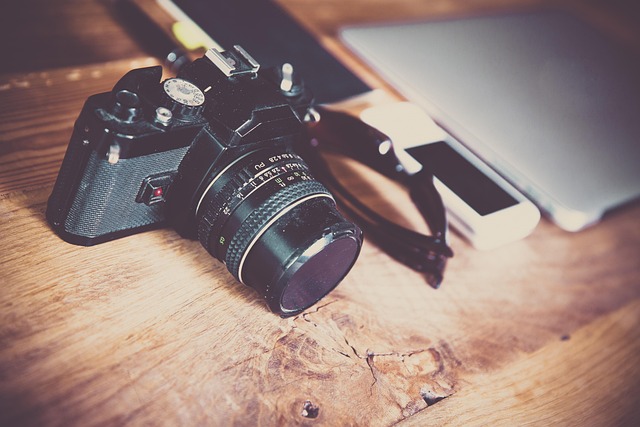
Your camera settings and lens choice play an equally important role in drawing out the best in your lighting setup. For close-up food shots, opt for a macro or prime lens with a wide aperture (like f/1.8 or f/2.8) to create that delightful creamy bokeh, bringing your subject into sharp relief while gently blurring the background. Adjust your white balance to suit the light source—whether daylight, tungsten, or custom settings—to ensure your food’s colors remain true and appealing.
The interplay of optics and light is where magic happens. The glass you shoot through influences flare, sharpness, and how highlights are rendered. Investing in quality lenses and learning how they respond to different lighting conditions can dramatically affect your image quality. Tilt the plate, rotate the spoon, adjust the light angle—small changes can lead to dramatic improvements when you begin to truly see how light dances across your subject.
Ultimately, mastering lighting techniques in food photography is about more than just technical know-how—it’s about tuning into your emotional response to light and letting that guide your creative decisions. Each photo you take is a story told through light, optics, and the delicious potential of your subject. As you experiment and refine your style, you’ll find that the right light not only highlights the food but evokes the taste, smell, and experience of it too.