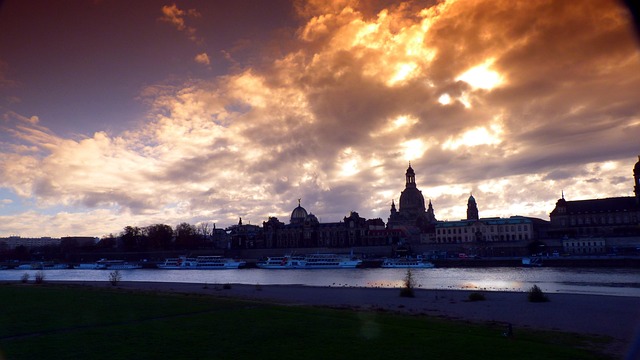


Post-processing is an essential part of modern photography that can elevate ordinary images into dazzling pieces of art. For camera enthusiasts who constantly strive to improve their craft, it is this final stage of the photographic process that truly brings a photo to life. With each careful adjustment, the photographer asserts their creative vision, using post-processing as a painter would use brush strokes.
If you’ve ever stared into your camera’s viewfinder and felt a buzz of excitement at capturing the perfect moment, you’re not alone. That spark—the heart-flutter when light and subject align—is the beginning of a much larger journey. Once the shutter clicks, photography transcends mere documentation and enters the realm of storytelling. But it’s through post-processing that the story is fully told.
Think of your camera as a tool that captures light, and your lens—a marvel of optics—as a translator of scenes. But just like a first draft of a novel, the raw image often needs editing. Whether you’re working in RAW format or high-resolution JPEGs, post-processing lets you fine-tune aspects like contrast, exposure, color balance, and sharpness to match what you felt when the photo was taken. Not what the camera recorded, but what your heart saw.
For those new to post-processing, programs like Adobe Lightroom, Photoshop, and Capture One offer intuitive interfaces that provide an impressive level of control over each image. Adjusting shadows and highlights, refining color tones, and adding subtle vignettes can dramatically change the mood of your photo. A dull sky can be brought to roaring life; lost details in shadow can be recovered with delicacy.
However, post-processing isn’t just about making a photo look ‘better.’ It’s about expression. A misty morning scene, shot with a lens that captures soft bokeh and rich blacks, might need desaturation and delicate sharpening to convey its quiet drama. A cityscape at night, beaming with artificial light, may call for increased contrast and clarity to emphasize its pulse. The important thing is how you see the scene—and how you want others to feel upon viewing your work.
Post-processing bridges the technical and emotional aspects of photography. Those who deeply appreciate their camera and the play of light through fine optics often find that editing deepens their relationship with photography. It’s where you rediscover the moment you captured. It’s where you choose what story your image will tell. And in that choice, you become more than a photographer—you become an artist.
As post-processing continues to evolve, with AI tools and advanced filters becoming more accessible, knowing how and when to use them becomes another skill in the photographer’s toolkit. But remember, no filter or plug-in can replace the instinct and emotion behind a shot. Post-processing tools are extensions of your eye, not replacements for it.
Whether you’re fine-tuning skin tones in portraits or balancing the hues of a sunset, embrace post-processing as a crucial step in your creative journey. Understand your camera, know your optics, and most of all—trust your vision.