
The Velvet Canvas of Darkness
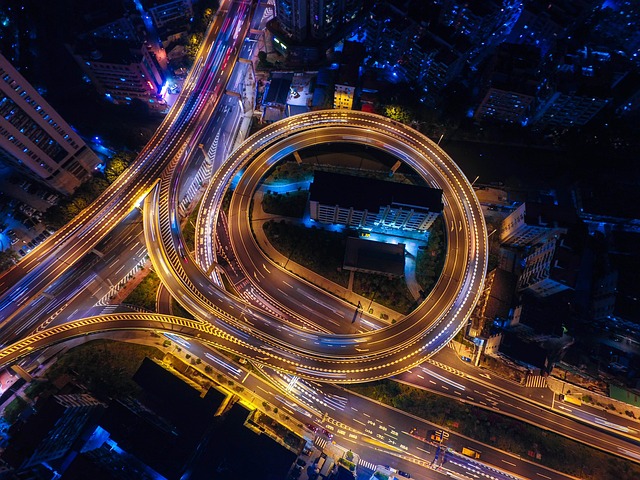
When city streets trade their hectic daylight pulse for a subtle after-hours heartbeat, everything changes. Storefronts hum with neon, distant headlights carve temporary rivers across slick asphalt, and the moon washes architecture in silver. This is the hour when Night photography transforms everyday scenes into dreamscapes, and the thrill of chasing elusive pools of light begins to feel less like a technical exercise and more like an intimate conversation between you, your camera, and pure darkness.
The Language of Light
In the thick of night, light behaves differently—softer, rarer, sometimes rebellious. Before pressing the shutter, pause and watch how a single streetlamp blooms against a brick wall or how a passing tram leaves a luminous ribbon in its wake. Recognizing these nuances is the first step toward mastering Lighting in low-lit scenes. Train your eye to see not merely what is illuminated, but what is partially veiled; this dynamic tension creates dimensional depth across every photo.
Optics: The Heart of the Matter
Your lens is more than a piece of glass; it’s a gatekeeper of photons. A fast lens—f/1.4 to f/2.8—invites more light, letting you shoot at lower ISO values and shorter shutter times. Wide apertures soften backgrounds, isolating glowing subjects against inky voids. Yet be mindful: at night, even premium optics can flare when confronted with harsh point sources. Use a lens hood, shade the front element with your hand, or reposition slightly to tame stray rays.
Manual Mode: Taking the Helm
Automatic settings struggle after sundown, so switch to manual to seize control. Begin with these baseline specs: ISO 800, aperture f/2.0, shutter 1/50 s. Assess the histogram—if shadows are drowning, bump ISO to 1600 or widen aperture; if highlights clip, dial shutter slower or step down aperture. Because Night photography is fickle, bracket exposures: capture one darker frame for neon signs, a balanced mid shot for ambient streets, and a longer exposure for shadow detail. Blend later for a balanced masterpiece.
Stability and Time
Even the steadiest hands betray microscopic shakes when shutter speeds drag. A solid tripod, remote release, or interval timer becomes your best ally. Explore exposures beyond a second—trailing taillights, undulating star paths, and silky fountains appear. Long exposure noise reduction helps, yet doubles processing time; weigh urgency against clarity.
Finding Focus in a Sea of Dark
Autofocus hunts in low light. Switch to manual, zoom in via live view, and adjust the focus ring until distant lights sharpen to crisp points. Some lenses feature a hard stop at infinity; test in daylight to verify actual infinity alignment because manufacturing tolerances vary.
Creative Illumination Techniques
- Light painting: Sweep a handheld LED around foreground subjects for selective highlights.
- Gobo play: Cut patterns into card stock, shine a flashlight through, and cast geometric shadows.
- Mixed color temperatures: Juxtapose cool moonlight with warm tungsten bulbs for cinematic contrast.
Noise Negotiation and Post-Processing
Boosting ISO introduces grain, but careful editing can tame it. Shoot RAW to retain latitude; use luminance and color noise sliders sparingly—too much smoothing smothers texture. Lift shadows selectively, guard highlights, and add gentle clarity to accentuate edge contrast created by sparse lighting.
The Ongoing Quest
The best lessons in Night photography unfold on the pavement, under stars, or beside a flickering campfire. Pack extra batteries—long exposures drain power quickly—keep a microfiber cloth ready for dew, and let curiosity guide each frame. Somewhere between twilight and dawn, the camera will reveal stories invisible to the naked eye, and every click will feel like translating whispers of darkness into radiant, tangible memories.